 by Tiz Giordano, WSM employee
This June, you will see rainbows on your favorite products and an uptick of LGBTQ+ representation in ads and commercials. You may join the festivities of your local PRIDE parade. Most of us know that PRIDE is a celebration for and by the LGBTQIA+ community. But what do we know about the history of PRIDE?
 The Stonewall Uprising
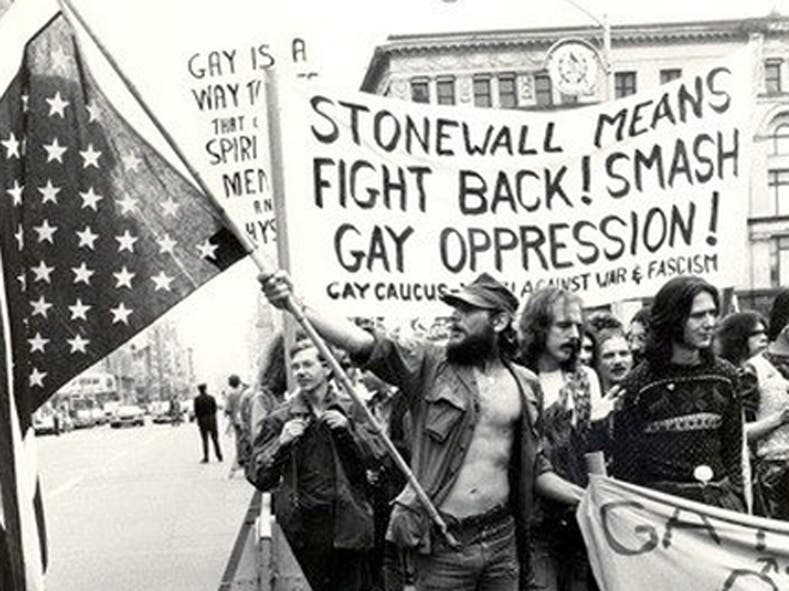
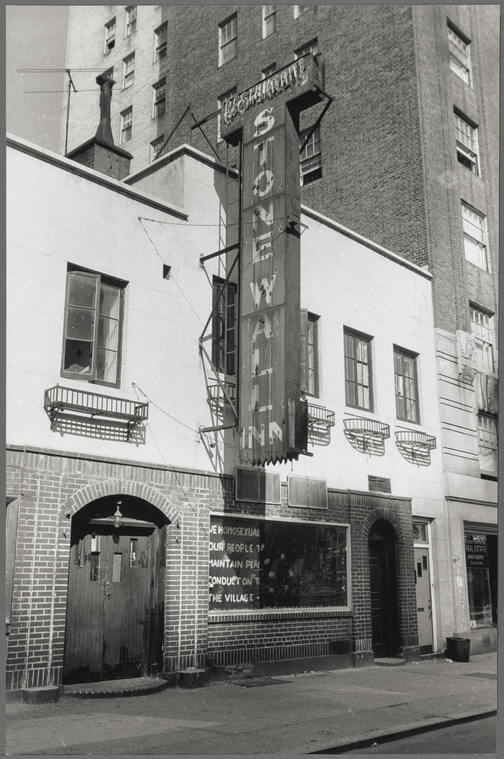
Historians can trace the origins of PRIDE back to the 1969 Stonewall Uprising in NYC’s Greenwich Village. Back then, being gay and gender non-conforming was a crime in the United States. People with the courage to be “out” in public were often targeted by police. It was common to be harassed, harmed, and incarcerated for cross dressing and gathering in “known homosexual establishments.” One hot night in June of 1969, after a particularly violent police raid of the Stonewall Inn, the gathering crowds had had enough. They began to fight back. They let the police know they would not take bigotry and violence lying down.
At its core, Stonewall was a rebellion against police brutality, led by queer and transgender women of color. Women like Marsha “Pay It No Mind” Johnson, Sylvia Rivera, Stormé DeLarverie, and Miss Major Griffin Gracy. These queer Black and Brown women put their bodies and freedoms on the line to stop the police from harming them and their loved ones. Beyond civil disobedience, these activists organized around community protection and mutual aid. They were proudly “out,” even though their very existence was breaking the law. These courageous freedom fighters, and those whose names have been lost to history, sparked a global movement. The Gay Liberation Front was formed. And every year in June, LGBTQIA+ communities across the world began coming together to commemorate that fateful night.
 The Following Decades
Many Stonewall vets went on to organize with ACT UP in the 80s and 90s. During the AIDS epidemic, as thousands were dying and homophobic officials looked the other way, organizers worked together to force governments out of inaction. Then, PRIDE was a way to reject shame, and to affirm LIFE in the midst and aftermath of so much suffering and death.
Over time, and due to the tireless work of LGBTQ+ organizers and advocacy groups, being gay became decriminalized in the United States. Culturally, attitudes around homosexuality began to shift. Issues like access to HIV medication, marriage equality, employment non-discrimination, same sex adoption, and so on became a part of a broader progressive platform. As those rights and liberties became reality, PRIDE changed. In many cities, community celebrations overtook civil disobedience.
PRIDE Today
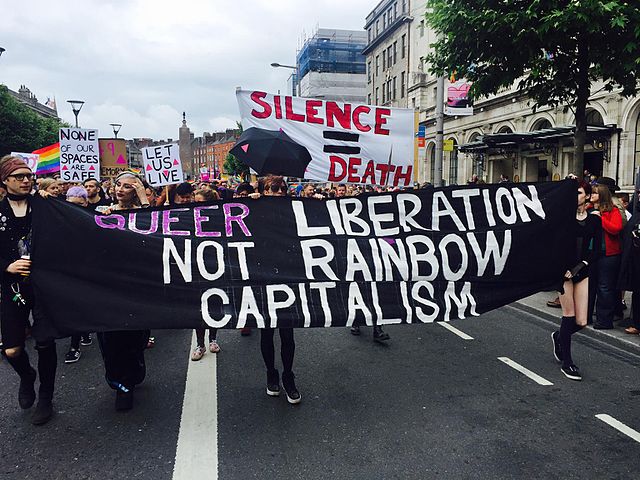
Corporate sponsored, legally permitted PRIDE parades are now the norm.
Some PRIDE organizers are fighting back against this trend. Many Black and Brown LGBTQ activists reject a police presence at PRIDE because police brutality continues to impact their communities. Transgender organizers cite anti-trans legislation, transphobic violence, and lack of economic opportunity as major issues being ignored by the greater LGB community. Many are horrified by major corporations profiting off the struggle for queer liberation. Others believe PRIDE can be both political and a party, and that being out and celebrating is a form of protest in itself.
This June, whether you attend a family-friendly parade or take to the streets in protest, remember Stonewall. Remember those who put their bodies on the line to stop injustice in their communities. Everything the LGBTQ community has achieved today, we owe to their strength and resilience.