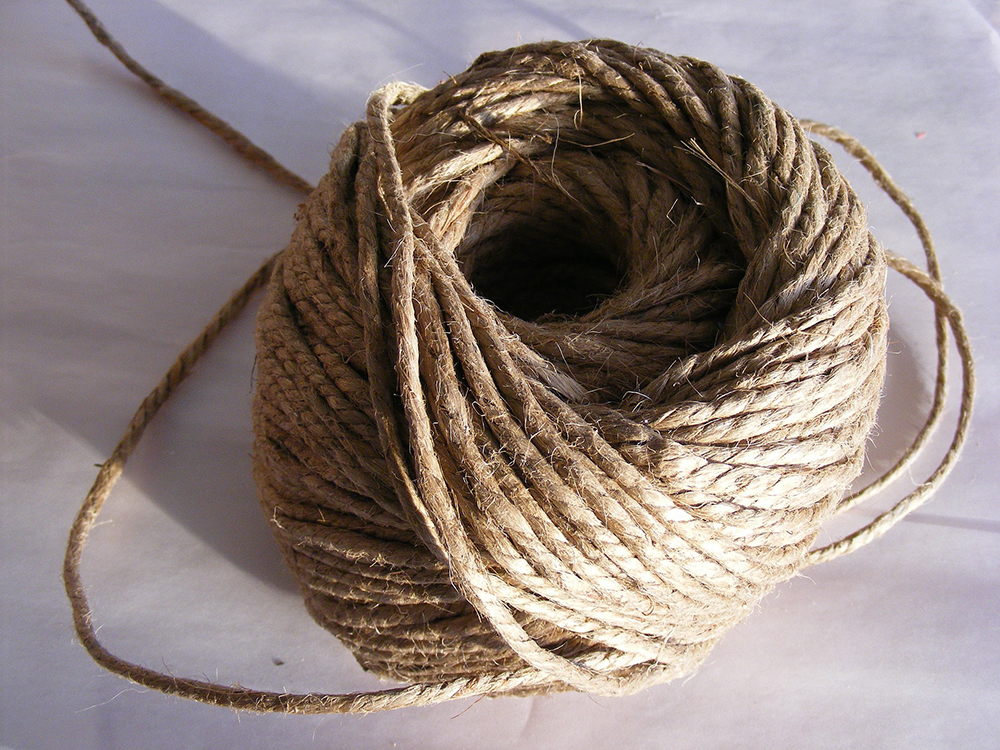
 Did you know that the Declaration of Independence was drafted on hemp paper? Hemp was a commercial crop in the United States from the country’s beginning until the 1930s, when hemp was lumped together with “marihuana” and made effectively illegal to grow. After a resurgence when hemp was needed during World War II, it was again made illegal in the 1970s, just as synthetic fabrics and fibers debuted.
Today, hemp is slowly making a comeback in the United States. Growing hemp benefits the environment via soil remediation, prolific pollen production for bees, and growth without synthetic pesticides or fertilizers. Hemp’s long taproot helps mitigate erosion, and using it in crop rotation can break disease cycles. It is one of the fastest growing plants on Earth and is very efficient at atmospheric carbon sequestration. Farmers can benefit from growing hemp, which is currently imported. Hemp processing and manufacturing could create additional US jobs.
Hemp provides a sustainable alternative to many products, like bio-plastic packaging and paper. Its fibers produce a durable textile, and its seed is a good source of nutrition, filled with protein and essential fatty acids. There are even hemp houses!
Hemp History Week begins June 6. Learn more about this fascinating crop on the Hemp History Week website, http://hemphistoryweek.com/.
Read about the hemp products in our stores.