Do Different Apples Really Make Different Ciders? Yes – They Do.
By Lisa Woodward , Event and Outreach Manager

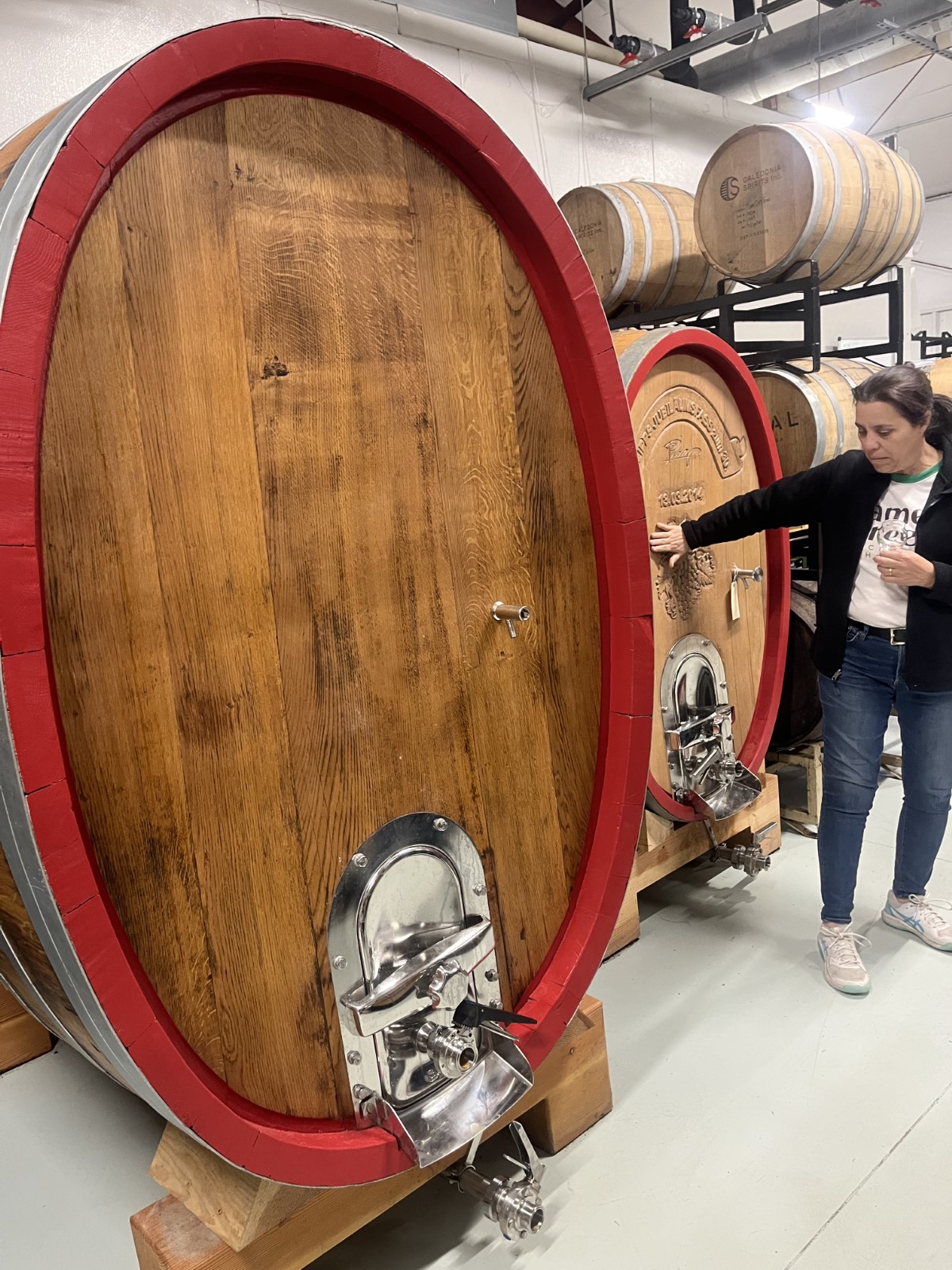
 In November, I found myself wandering through the beautiful orchards of James Creek Cider House. My guide was Ann Marie Thornton, who owns James Creek with her husband, David. Together, they’ve been making cider commercially since 2016 on their land in Cameron and Vass, NC, where seven acres of apple trees are the backbone of a landscape that includes peaches, pears, blueberries, muscadines, and persimmons, all of which feature prominently in their ciders.
The apples that become James Creek’s estate-grown ciders are picked right there in Moore County, while the fruit for their Stargazer line comes from collaborations with local and regional farms and serves to bring in a wide range of Southern heirloom apples and classic cider varieties.
Ann Marie and David’s approach to cider is shaped by the European styles they fell in love with during their college years in London – ciders that Ann Marie preferred then and still champions now.
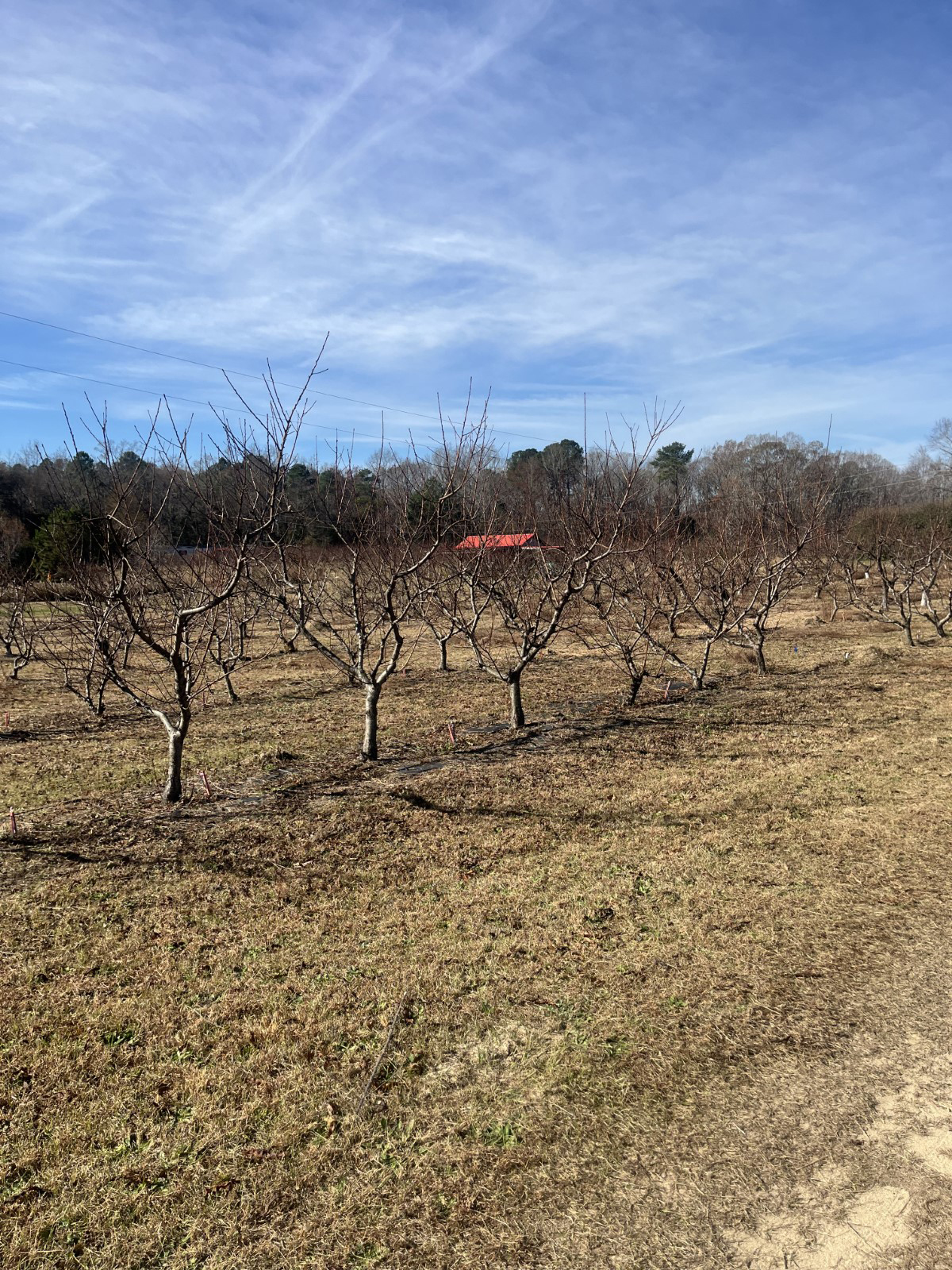
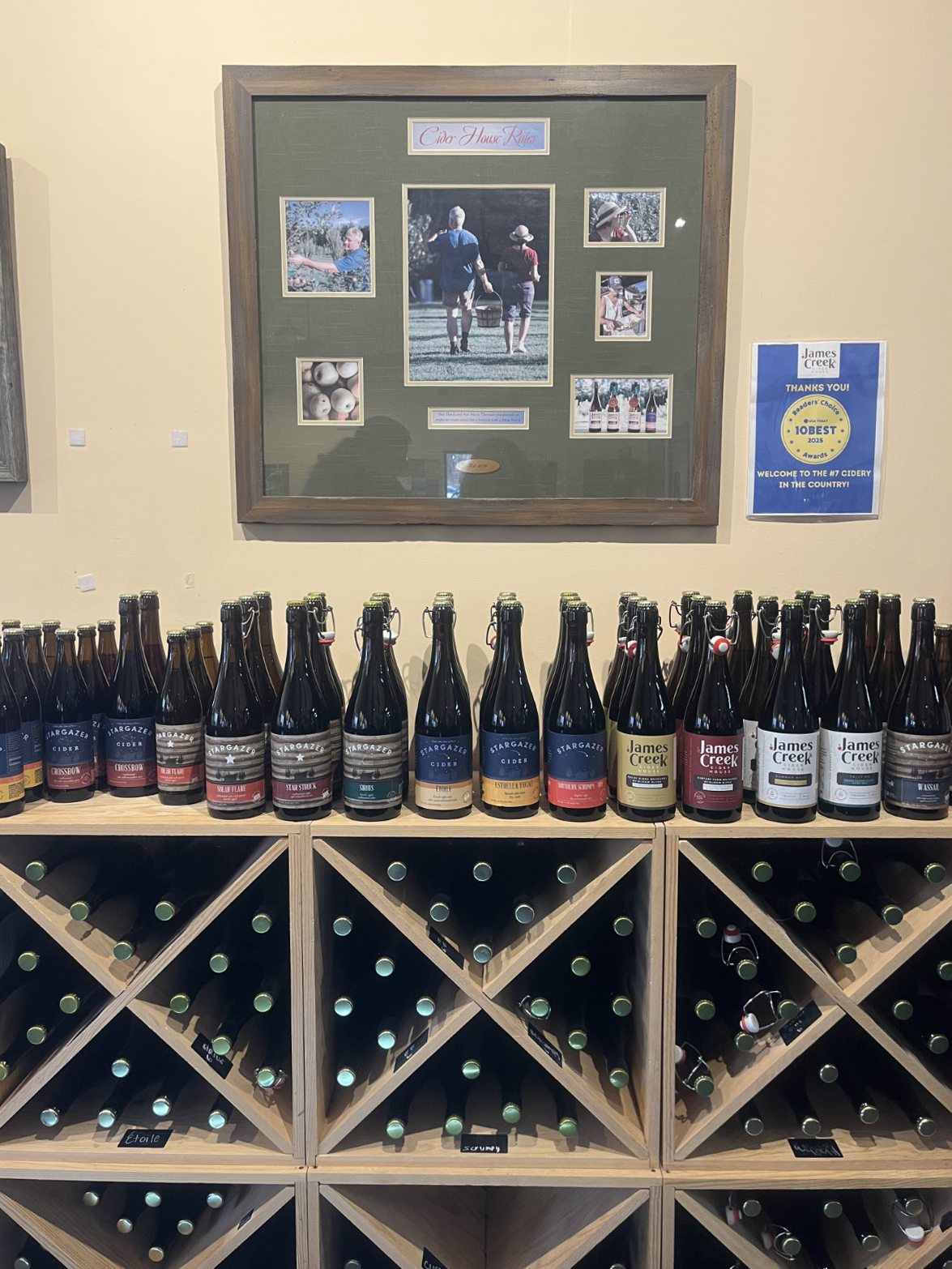 Cider, Ann Marie explained as we walked, shares far more with wine than most people realize. Its character comes from terroir, growing conditions, fruit variety, and—at James Creek in particular—the art of blending. Different apples really do create widely different varieties of cider each shaped by the fruit’s natural attributes. Apples grown in warmer regions tend to be sweeter and less tart, so the fruit from Hendersonville’s mountain climate develops a distinct flavor, appearance, and sugar profile compared with apples from the Sandhills of Moore County.
Knowing this, James Creek chooses to ferment each apple variety separately, rather than creating a mixed “base,” a common shortcut in commercial cider-making. Ann Marie and David prefer to engage in the slower, more hands-on process of blending individual fermentations to build the flavors and styles they are looking for. They blend with a focus on the inherent characteristics of each apple or fruit, letting the fruit itself guide the style of the cider.