 Our current “Round Up” campaign is raising money for “Fresh Food for Neighbors in Need this Winter.” By rounding up your bill to the nearest dollar, you’ll make a small donation to our local food pantries, IFC and OCIM. All those small donations will add up to enough money to buy the pantries fresh fruits and vegetables for the winter months.
Carolyn, the produce merchandiser at Weaver Street Market, is making plans to buy the fresh food we’ll donate to the pantries each week with the monies raised. The first delivery is coming up! We talked to her about what it’s like sourcing produce during the winter months.
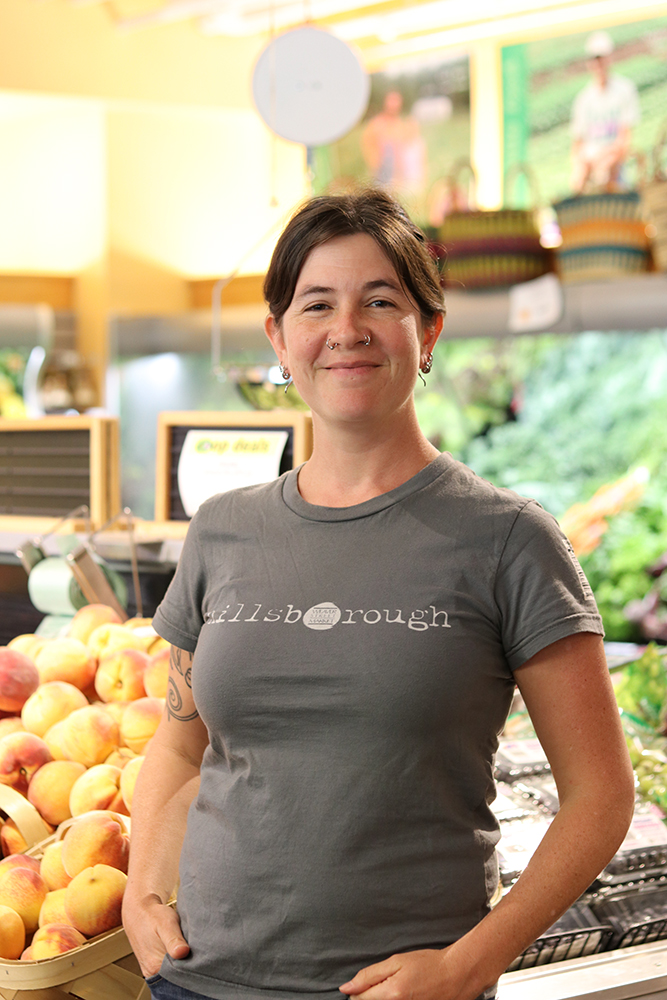 What foods do you hope to buy for the food pantry clients?
I hope to buy hearty winter vegetables, including some items that would be good for winter soups, such as turnips, potatoes, cabbage, kale or collard greens, winter squashes, and whatever else I can get my hands on. And also apples and citrus.
How do you source good produce in winter?
I try to buy as much local produce as I can, so I start with what’s available locally. So, in the winter time, we have storage crops like sweet potatoes, turnips, and other root vegetables. We’ve got plenty of greens, since we have a mild enough climate that collard greens and kale will usually over-winter. Sometimes we can get some produce that’s grown indoors, in a hoop house or greenhouse. And then I go out from there, down south to Florida we can sometimes get squash and cucumbers, maybe even organic tomatoes. We can definitely get other greens such as lettuces, swiss chard, and bunched beets. And whatever I can’t source regionally, I will source from California. For this campaign, we’ll be sourcing most of the food locally and regionally. The most important thing is to get food for the people who need it.
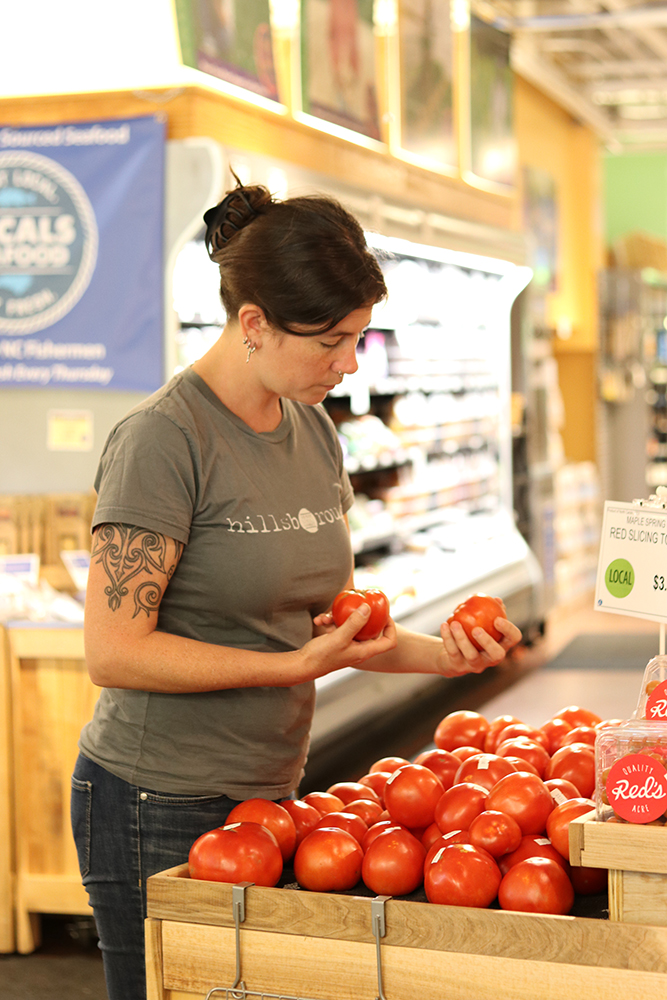 How do local farmers keep producing vegetables when the weather is cold?
North Carolina’s climate is mild enough that a lot of things will grow out of doors over the winter without any problem, hearty things like kale, collard greens, and mustard greens. There are other things that are harvested in the late fall and kept throughout the winter, like turnips, sweet potatoes, and other root vegetables. And then there are growers who use season extension techniques, like covering their outdoor crops with a gauzy row-cover fabric that allows light and moisture through but still increases the temperature under the cover and protects the crop from the drying, desiccating winds of winter. A lot of growers have moved to growing indoors in greenhouses or unheated hoop houses, which can extend the season quite a bit for more tender greens. And then some growers grow in heated greenhouses. We usually start to receive greenhouse tomatoes from Vollmer Farm in February or March.
Why are you focusing on traditional winter vegetables for the campaign?
We think it’s important to support local farmers. Obviously we don’t have tomatoes in North Carolina in winter, so we try to put more focus on traditional winter vegetables that are heartier. They also taste better than a tomato grown in Florida or Mexico in January. And, also, the carbon footprint to get winter vegetables to us is a lot smaller, since you don’t have to consider the trucking from Florida or farther that you’d have with those out-of-season vegetables.
What’s your favorite winter vegetable recipe?
I have a lot of favorite winter vegetable recipes. I love turnips, and last year I started making this turnip gratin recipe that is really simple. It’s just thinly sliced turnips layered in a baking dish with milk. You can use low-fat milk (which I don’t); I use whole milk or half-and-half, or you can use heavy cream or a mixture. The turnips are layered with the milk or cream, then topped with gruyere cheese and bread crumbs, and baked in the oven until they’re tender and bubbly and the turnips have absorbed all the cream, and that is delicious.
But I also love to make winter vegetable minestrone. I love that because it’s pretty much a whatever I have in the garden or fridge sort of recipe. So I just chop up whatever vegetables I have on hand, and I put them in a pot, and I throw in broth, and some small pasta, and a can of beans, and then you’ve got dinner.