By Carolyn Twesten, Weaver Street Market Produce Merchandiser
Owner Weekly Reward will be 25% off all citrus starting January 17 through January 23, 2024.
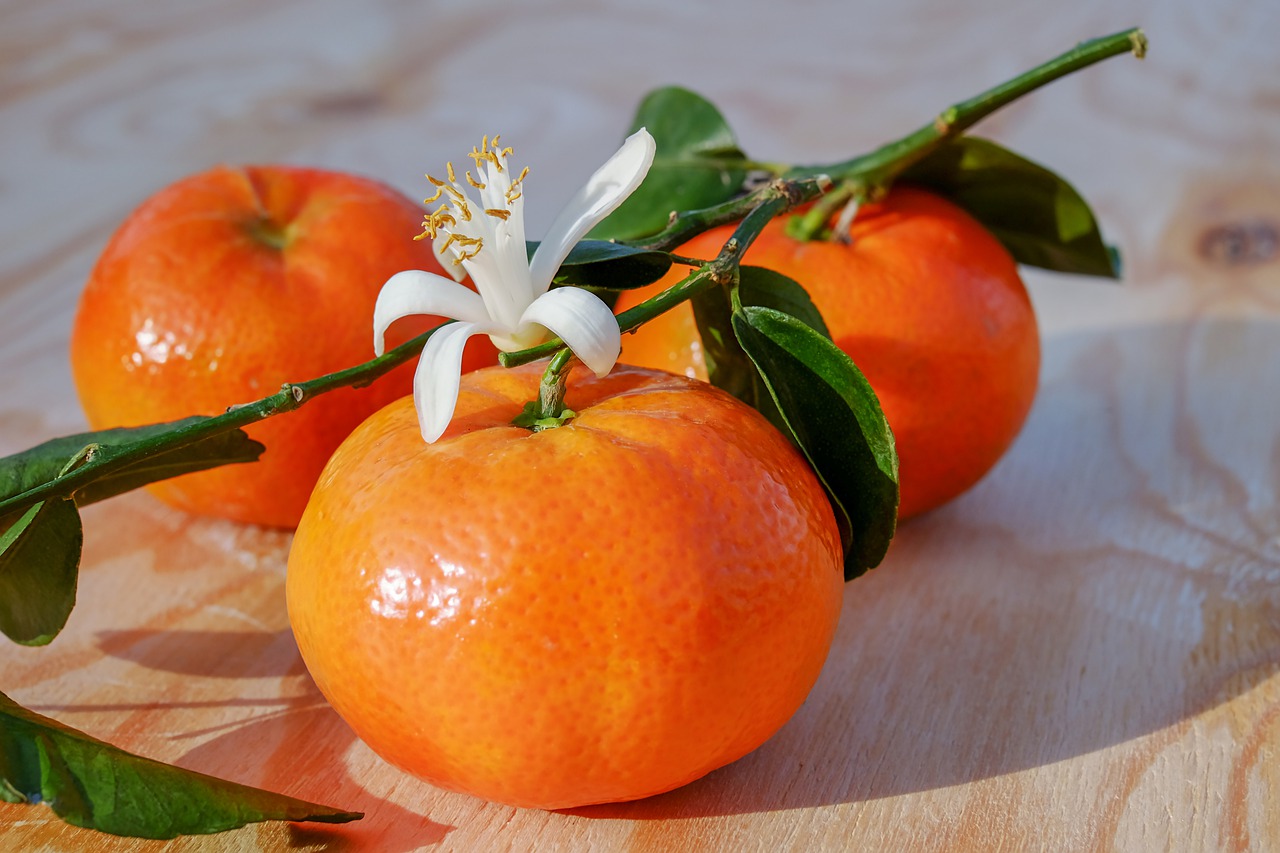 It’s January y’all, which means now is peak season for citrus! Over the years we have seen the availability of citrus varieties grow from your average navel-grapefruit-clementine affair to one of huge abundance and extreme flavor! I try to pick up something new every year if I can. Read on for some of my new and old favorites…
Satsuma Mandarins
I’m here to answer everyone’s biggest citrus question once and for all:  What IS the difference between a mandarin and a tangerine?
The answer: A tangerine is a type of mandarin orange, which are classified as a family of small-sized, easy to peel, segmented citrus with a tendency towards lower acid content. Satsuma mandarins are particularly fabulous, being adorably small, seedless, and easy to peel, with a sweet-tart flavor that just bursts in your mouth.
Mandarins are often marketed simply just as ‘mandarins’, which is kind of like marketing heirloom tomatoes just as ‘tomatoes’. There are at least a dozen varieties that you can get in the US, many of which make their way into the bags marketed as Halos or Cuties. Satsumas are one of the earliest varieties and are usually done by mid-January, so get them while you can!
Cara Cara Navel Orange
Cara Cara oranges look just like your average navel on the outside- but inside they have beautiful deep pink flesh that has a sweet-tart flavor with notes of berry. These beauties are a result of a natural mutation of a navel orange that was found in Venezuela. Cara Cara oranges can be tossed into salads, added to grain bowls, mixed into fruit medleys, or used as a topping on smoothie bowls. These can be a little harder to peel than a regular navel due to their tight skin, so you may want to supreme this tasty citrus fruit.

 Meyer Lemons
Foodies love the Meyer lemon, for their sweet, floral flavor and aroma. That’s right, a sweet lemon! Meyer lemons are a cross between lemons and tangerines, resulting in a lower acid fruit. They are easily told apart from “regular” lemons by their smooth, thin skin. I love using Meyer lemon juice and zest in dressings, such as used in this recipe from Fine Cooking, Green Beans with Meyer Lemon Vinaigrette.
Blood Oranges
Blood oranges are well-known for their beautiful, deep-red flesh. The red color is produced by anthocyanins, the same antioxidant found in dark colored berries like blueberries and blackberries. They’re not just healthy for you though, they are also delicious to eat, with hints of pomegranate and raspberry. Try them on their own or atop an arugula salad, or in a fancier recipe like these Buckwheat Pancakes with Blood Oranges and Ricotta.
Shiranui Mandarin AKA ‘SUMO’
This year’s new and exciting flavor is the Shiranui mandarin! Trademarked by California growers as the “Sumo” mandarin, we are carrying Shiranui mandarins from a lot closer to home – Georgia! The Shiranui is defined by its noticeably large size, bumpy skin, and top knob, but it’s the flavor that really shines. Juicy, super sweet flesh with a little zing – it’s just about the perfect piece of fruit!
Owner Weekly Reward for Owners will be 25% off all citrus, good January 17-23, 2024. Owners, you don’t need a physical coupon, the promotion will be automatically adjusted at the register.
Not an owner? Become one today to receive co-op weekly rewards, as well as the other benefits of ownership. Learn more here.